TYPOGRAPHY & GRAPHIC DESIGN
The Bauhaus revolutionized typography and graphic design by emphasizing clarity, functionality, and geometric simplicity. These principles continue to influence modern design practices.
Universal Type & Clear Communication
Bauhaus designers sought to create universal typefaces and layouts that prioritized legibility and effective communication. They often used sans-serif typefaces and asymmetrical compositions.
Key Innovations:
- Sans-serif typefaces
- Geometric letterforms
- Use of primary colors for emphasis
- Grid-based layouts
- Asymmetrical balance
- Photomontage techniques
Influential Designers & Works
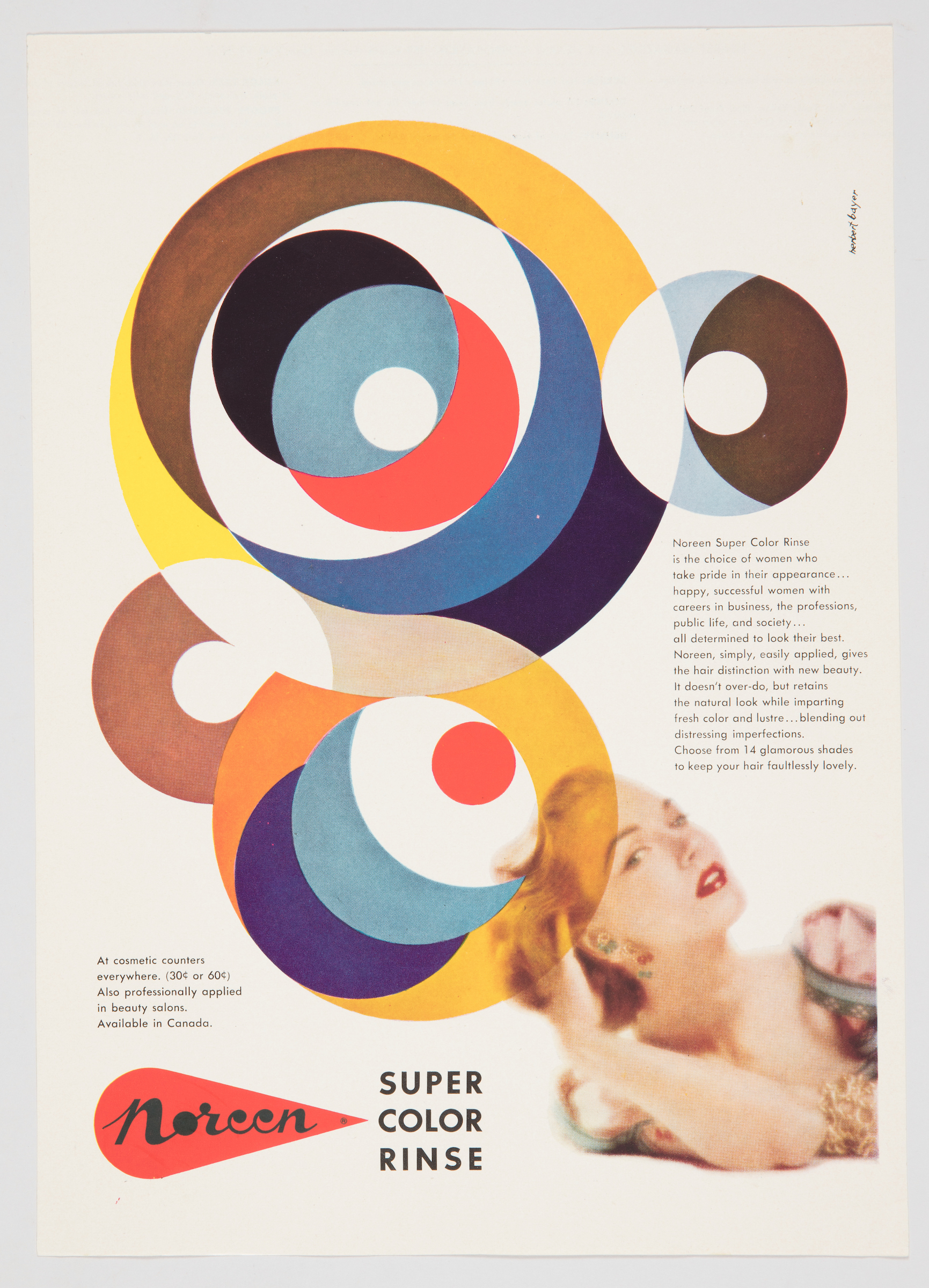
Herbert Bayer: Bauhaus Exhibition Poster (1923)
One of the most iconic Bauhaus designs, this poster uses primary colors, geometric shapes, and innovative typography to create a striking visual statement.

Joost Schmidt: Bauhaus Exhibition Poster (1923)
Schmidt's poster demonstrates the mathematical precision and geometric clarity that became hallmarks of Bauhaus graphic design.
Legacy & Modern Influence
Corporate Design
Modern brand identities from companies like Apple and Google reflect Bauhaus principles of simplicity and functionality.
Digital Interfaces
Flat design, minimalism, and grid-based layouts in UI/UX design directly descend from Bauhaus principles.
Typography
Contemporary sans-serif fonts like Helvetica and Futura owe their existence to the typographic experiments at the Bauhaus.